Welcome to the SuDS Wales Website
Sustainable Drainage Systems (SuDS) are designed to reduce the potential impact of new and existing developments with respect to surface water drainage discharges.
The idea behind SuDS is to try to replicate natural systems that use cost effective solutions with low environmental impact to drain away surface water run-off through collection, storage, and cleaning before allowing it to be released slowly back into the environment, such as into water courses. This is to counter the effects of conventional drainage systems that can result in flooding, pollution of the environment – with the resultant harm to wildlife – and contamination of groundwater sources used to provide drinking water.
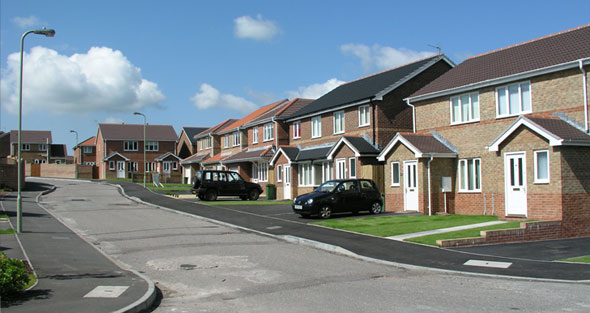
Greener Grangetown

The City of Cardiff Council, Dwr Cymru Welsh Water and Natural Resources Wales are investing £2 million in Greener Grangetown, an innovative scheme to better manage rainwater in your community. Using the latest techniques, this scheme will catch, clean and divert rainwater directly into the River Taff instead of pumping it over 6 miles through the Vale of Glamorgan to the sea. It will help to make Grangetown a greener, cleaner place to live.
SuDS Techniques
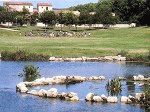
Each time we develop or redevelop sites we must look at the opportunities that rainfall and surface water could provide rather than judging it as a problem to be removed. Find out the about the types of SuDS systems available.
Education and Advice
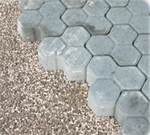
Find out about why you should be building SuDS, types of SuDS, materials, planning guidance and more in our Education & Advice section.
Latest News
Thank you Grangetown!
July 23rd, 2014
The Greener Grangetown project team was delighted with the response of the Grangetown community to our series of recent consultations regarding our £2m scheme to better manage rainwater in your community and to help make Grangetown a greener, cleaner place to live. We launched the consultations at the Salvation Army Hall on the 30th June […]
Greener Grangetown
June 25th, 2014
The City of Cardiff Council, Dŵr Cymru Welsh Water and Natural Resources Wales are investing £2 million in Greener Grangetown, an innovative scheme to better manage rainwater in the community. Using the latest techniques, this scheme will catch, clean and divert rainwater directly into the River Taff instead of pumping it over 6 miles through […]
Recent SuDS Developments
Stebonheath Primary School, Llanelli
Region: South West.
Local Authority: Carmarthenshire.